China Best Pharma Material Suppliers for Global Buyers?
China has emerged as a leader in the global supply of Pharma Material. The country hosts numerous suppliers, each showcasing unique specialties. This dynamic landscape offers opportunities for international buyers seeking high-quality raw materials for pharmaceuticals.
Navigating the Chinese market can be complex. Buyers must consider factors like reliability, compliance, and quality standards. Engaging with established suppliers can mitigate risks and enhance sourcing strategies. It's essential to assess suppliers' certifications and reputation in the industry.
Yet, challenges remain. Not all suppliers meet the rigorous standards necessary for pharma production. A thorough due diligence process is crucial. Building relationships with trustworthy suppliers is vital. This exploration of China's pharma material suppliers aims to inform global buyers, ensuring they make educated decisions in this essential market.
Overview of China's Pharmaceutical Material Industry
China's pharmaceutical material industry is burgeoning. As of 2023, it accounts for nearly 20% of the global market share. This growth is driven by increasing domestic demand and global exports. Chinese suppliers are integral to international drug manufacturing. They provide essential raw materials, including active pharmaceutical ingredients (APIs) and excipients.
Notably, the industry's output value reached approximately $100 billion in recent years. This figure highlights China's critical role in supporting global healthcare. The country produces numerous APIs, which are vital for drug formulation. However, challenges remain. Quality control and regulatory compliance can vary. International buyers must navigate these complexities carefully.
While China boasts a vast network of suppliers, not all deliver consistent quality. Some manufacturers lack the necessary certifications. This inconsistency requires buyers to conduct thorough evaluations. In some cases, suppliers may promise more than they can deliver. Caution is necessary when sourcing pharmaceutical materials. Stressing the importance of due diligence will ensure stronger partnerships and better outcomes.
China's Pharmaceutical Material Industry Overview
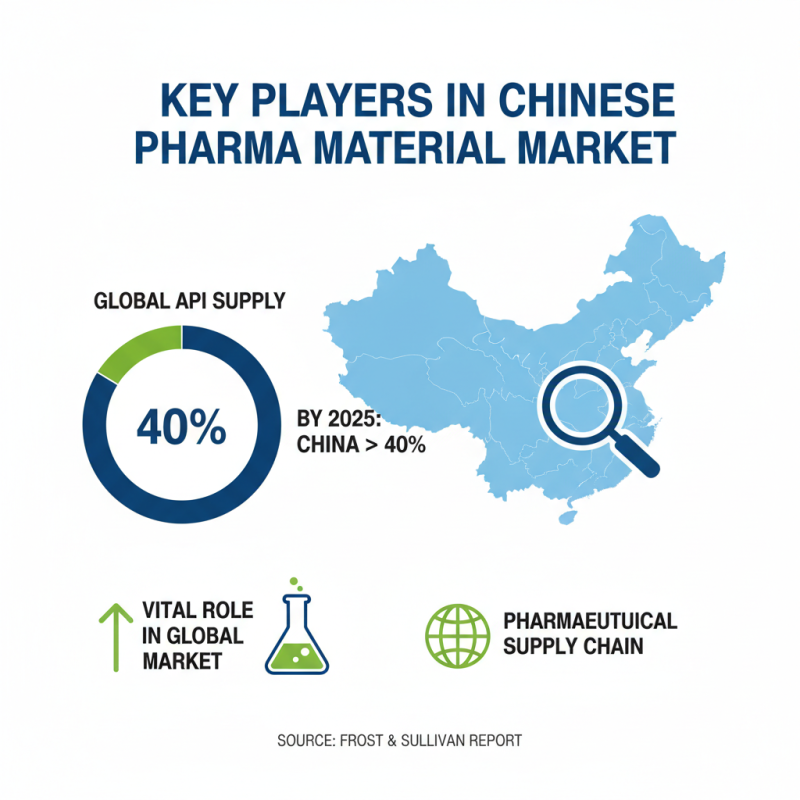
Key Players in the Chinese Pharma Material Market
China's pharmaceutical material suppliers play a vital role in the global market. According to a report by Frost & Sullivan, by 2025, China is expected to account for over 40% of the world's active pharmaceutical ingredients (API) supply. This highlights the country's importance in the pharmaceutical supply chain.
Key players in China's pharmaceutical material market include a mix of large manufacturers and specialized suppliers. Many companies focus on specific categories, such as excipients, APIs, and intermediates. Industry reports indicate that the pharmaceutical sector has seen a significant increase in investment, with over $10 billion directed towards R&D in 2022 alone. However, some suppliers struggle with quality consistency, which can impact their credibility.
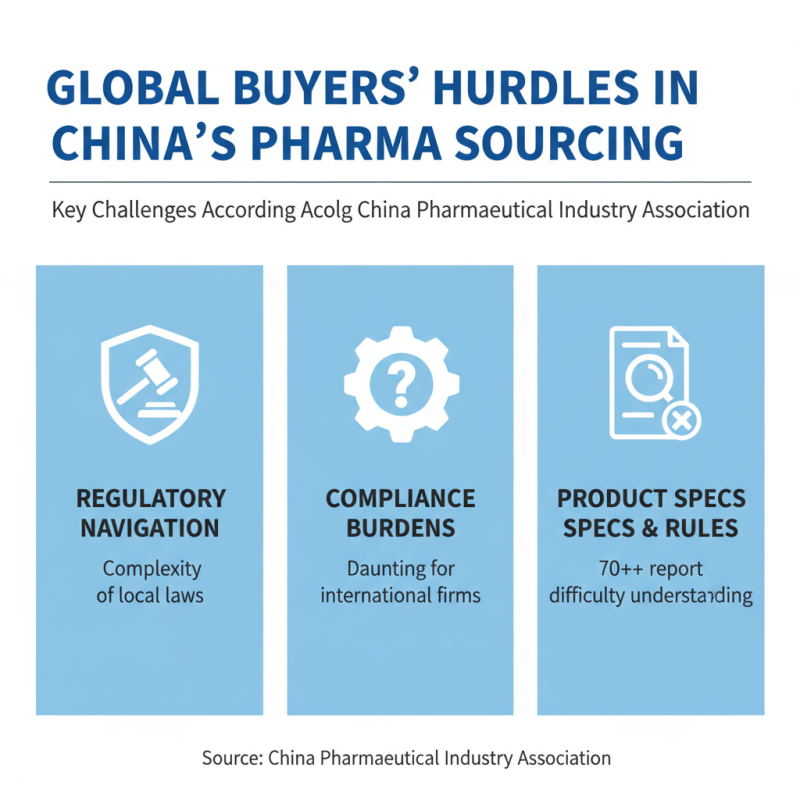
The need for reliable partners is crucial for global buyers. Navigating the Chinese pharmaceutical landscape involves assessing suppliers' certifications and production capabilities. A significant challenge remains with regulations. Compliance can vary, leading to potential risks in sourcing materials. While China's market offers vast opportunities, buyers must prioritize vigilance and due diligence when selecting partners.
Criteria for Evaluating Pharma Material Suppliers
When evaluating pharma material suppliers, several criteria come into play. Quality assurance is paramount. High-quality materials are essential for safe and effective pharmaceuticals. Suppliers should follow strict quality control processes. They must provide certifications to ensure compliance with industry standards.
Experience and expertise are also key factors. Seasoned suppliers understand the complexities of pharmaceutical needs. Their knowledge can greatly impact product safety and efficacy. Engaging with reputable suppliers can benefit your supply chain. They should have a proven track record in the industry.
Tips: Always ask for references to verify the supplier's reputation. Look for suppliers that offer transparent communication. This can significantly enhance your collaboration. Monitor their delivery capabilities. Timely deliveries can help maintain your production schedule.
It's important to reflect on your specific requirements. Each pharmaceutical company may have unique needs. A good match can lead to successful partnerships. Always consider the long-term relationship potential when selecting a supplier. Fostering this relationship can lead to improved collaboration and innovation.
Benefits of Sourcing from Chinese Suppliers
Sourcing pharmaceutical materials from China offers numerous advantages for global buyers. The country is home to a large number of manufacturers that produce high-quality materials at competitive prices. This can lead to significant cost savings for businesses. Additionally, China has a robust supply chain infrastructure, which helps ensure timely delivery.
When dealing with Chinese suppliers, clear communication is crucial. Language barriers can lead to misunderstandings. It's essential to have a well-defined set of specifications for your orders. Also, visiting suppliers or local trade shows can enhance your understanding of their capabilities.
Here are some tips for effective sourcing. First, conduct thorough due diligence. Verify supplier credentials and manufacturing practices. Secondly, prioritize quality control. Establish a reliable quality assurance process to minimize risks. Finally, consider creating long-term partnerships. Building a strong relationship with suppliers can lead to better pricing and service over time.
China Best Pharma Material Suppliers for Global Buyers
| Supplier Type |
Location |
Material Type |
Quality Certification |
Lead Time |
| Active Pharmaceutical Ingredient (API) Supplier |
Wuhan |
Antibiotics |
ISO 9001, GMP |
4-6 weeks |
| Excipient Supplier |
Shanghai |
Starch |
FSSC 22000 |
2-4 weeks |
| Biotechnology Firm |
Beijing |
Monoclonal Antibodies |
ISO 13485 |
6-8 weeks |
| Formulation Supplier |
Guangzhou |
Oral Solid Dosage Forms |
CE Marking |
3-5 weeks |
| Contract Manufacturing Organization |
Shenzhen |
Injectables |
FDA Approved |
8-10 weeks |