Top Tips for Choosing the Right Pharmaceutical Supplier?
Choosing the right pharmaceutical supplier can significantly impact your business. It's crucial to find a partner who meets your specific needs. A good supplier ensures the quality of your products, compliance with regulations, and reliability in delivery.
Start by assessing the supplier's reputation in the industry. Look for reviews and testimonials from other clients. It's important to ask about their sourcing methods and quality control processes. You want to ensure they prioritize safety and efficacy in their products.
Consider the supplier's range of services. Some may offer customization options or faster delivery times. However, reflect on your priorities. Opting for a cheaper supplier might save costs initially but can affect long-term quality. Always find a balance between cost and quality when selecting a pharmaceutical supplier.
Understanding the Role of Pharmaceutical Suppliers in the Industry
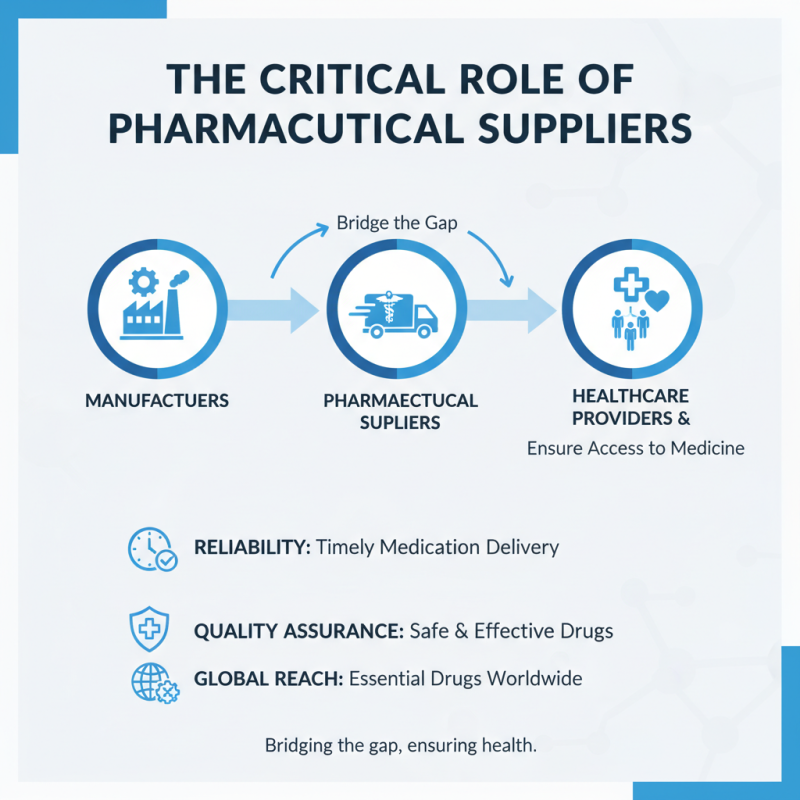
Pharmaceutical suppliers play a critical role in the industry. They bridge the gap between manufacturers and healthcare providers. Their reliability ensures that medications reach patients on time. Without effective suppliers, access to essential drugs would be severely limited.
When choosing a supplier, consider their track record. Research their history and client feedback. A supplier's past performance can reveal much about their reliability. Also, evaluate their supply chain. A robust supply chain means fewer delays in product availability. It's crucial to ask about their sourcing practices. Transparency in sourcing builds trust.
Assess the technology they use. Suppliers with updated technology are often more efficient. They can track shipments better and reduce errors. Communication is another key factor. Suppliers need to maintain open lines of communication with clients. A lack of communication can lead to misunderstandings and delays. Each of these aspects can significantly affect your operations.
Evaluating Supplier Compliance with Regulatory Standards and Guidelines
When selecting a pharmaceutical supplier, compliance with regulatory standards is crucial. Each supplier must adhere to guidelines set by relevant health authorities. This means checking their certifications and audit history. For instance, a supplier may have valid accreditations but fail inspections. Such discrepancies can be alarming.
Evaluating their track record is key. Look for previous violations or recalls involving the supplier. Transparency matters. A trustworthy supplier will provide detailed information about their practices. Ask about their quality control processes. Are they routinely validated? Regular testing should be evident. If answers are vague, consider this a red flag.
Building a relationship takes time. Some suppliers may promise fast turnaround times but compromise safety. Delays can be frustrating, yet safety should always come first. Engage in discussions that reveal their operational challenges. This offers insights into their reliability. Your choice impacts patient safety. Be diligent in your evaluation.
Evaluation of Pharmaceutical Supplier Compliance with Regulatory Standards
Assessing Supplier Financial Stability and Market Reputation
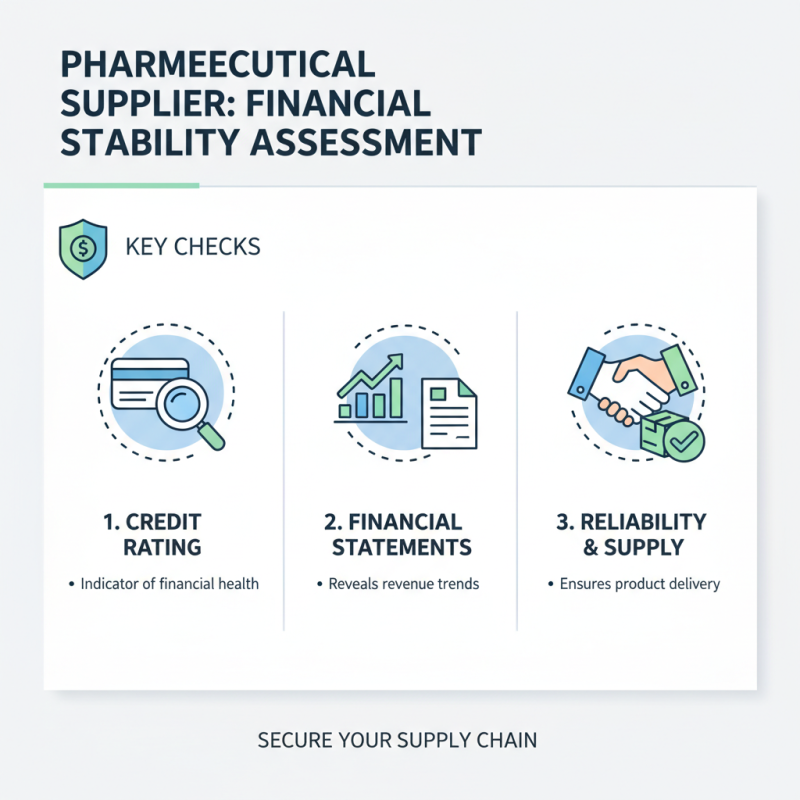
When selecting a pharmaceutical supplier, financial stability is crucial. A supplier facing financial difficulties may struggle to deliver products reliably. To assess this, check their credit rating. This can offer insights into their financial health. Look into their financial statements as well. This gives you a clearer picture of their revenue trends.
Market reputation is equally important. It reflects the trustworthiness of a supplier. Talk to peers in the industry about their experiences. Online reviews can provide additional perspectives. However, be cautious; not all reviews are genuine.
Consider these tips: ask for references and contact them. Verify how well the supplier meets deadlines. Evaluate their customer service. A responsive team can make a difference. Sometimes, they may overlook critical details, so regularly communicate your needs. This ensures a smoother partnership. Trust your instincts; if something feels off, dig deeper.
Analyzing Supplier Capacity and Supply Chain Resilience
When selecting a pharmaceutical supplier, one key aspect is analyzing their capacity. It’s crucial to evaluate their production volume. A supplier with limited output may struggle during high-demand situations. This could result in significant delays. Look for indicators of scalability. Can they quickly ramp up production? This reflects their supply chain resilience.
Another factor is their inventory management. Suppliers should effectively manage stock levels. Over-reliance on just-in-time systems can be risky. It may expose vulnerabilities during disruptions. Consider how they handle unexpected shortages. Communication is vital in these situations. Always ask about their contingency plans.
Finally, assess their partnerships and logistics. A well-connected supplier can navigate challenges better. Check their distribution methods and timelines. A supplier should demonstrate flexibility. They need to adapt to changing market conditions. Reflect on these needs, and ensure you make an informed choice.
Comparing Pricing Models and Contract Terms Among Providers
Choosing the right pharmaceutical supplier is crucial. The pricing model can significantly impact costs. A recent report by the Pharmaceutical Distribution Federation found that about 72% of companies prioritize price when selecting suppliers. Understanding the structure of pricing models is essential for effective decision-making.
Providers typically offer various pricing options, including fixed price, variable price, and tiered pricing. Each has pros and cons. A fixed price might ensure predictability, but it could lack flexibility in response to market changes. On the other hand, variable pricing can lead to cost fluctuations that complicate budgeting. Nearly 55% of companies reported feeling uncertain about which pricing model suited their needs the best.
Contract terms are equally important. They can vary widely among suppliers. A survey indicated that 68% of businesses experienced contract ambiguity. This lack of clarity can lead to disputes or unexpected costs. Take the time to read terms carefully. It’s vital to understand penalties for early termination or price change clauses. Reflecting on these elements will help refine the supplier selection process.
Top Tips for Choosing the Right Pharmaceutical Supplier
| Supplier Type |
Pricing Model |
Contract Terms |
Lead Time |
Payment Terms |
| API Supplier |
Cost-plus pricing |
Annual renewal with 30-day notice |
4-6 weeks |
Net 30 days |
| Generic Drug Manufacturer |
Tiered pricing |
Two-year contract with price lock |
6-8 weeks |
Net 15 days |
| Biosimilar Supplier |
Flat pricing |
Quarterly review |
8-10 weeks |
Net 45 days |
| Packaging Supplier |
Volume-based pricing |
Flexible terms with 60-day review |
2-3 weeks |
Net 30 days |
| Clinical Trial Supplier |
Per-study pricing |
Milestone-based payments |
Variable, based on study phase |
Net 30 days |