
The choice of medicine capsule material significantly affects health outcomes. According to the International Journal of Pharmaceutics, nearly 50% of patients have difficulty swallowing pills. This issue can lead to reduced adherence to medication and negatively impact health.
Various materials are used to create capsules, such as gelatin and HPMC. Gelatin is derived from animal sources, while HPMC is plant-based. Each material has unique properties that can enhance drug delivery. Industry data suggests that the global market for capsule materials is expected to reach $4.5 billion by 2027. This growth underscores the importance of selecting the right material for patient compliance.
The effectiveness of medicine capsule material lies not just in their function but also in their formulation. Poor quality materials can lead to dissolution issues. Patients may not receive the full benefits of their medication, raising concerns about health and treatment efficacy. Understanding these nuances can guide both healthcare providers and patients in making informed choices.

Medicine capsules come in various materials, each offering unique benefits. Gelatin is a popular choice. Derived from animal collagen, it dissolves quickly. This helps with absorption. However, it is not suitable for vegetarians or vegans. Alternatives are needed for those dietary restrictions.
Plant-based capsules have gained traction. They are made from cellulose or other plant materials. These capsules are often easier to digest. They cater to a growing market of health-conscious consumers. There is still room for improvement in terms of stability.
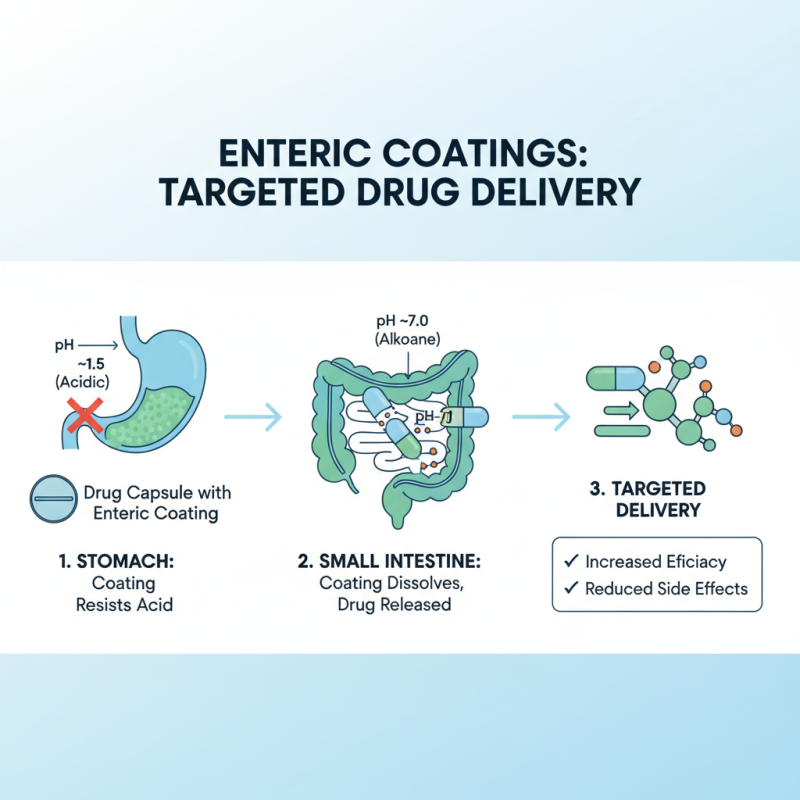
Some capsules use enteric coating. This design protects contents from stomach acid. It ensures that active ingredients reach the intestines. However, the process can be more costly and complex. It's important to balance benefits with user experience.
Gelatin capsules are popular in the supplement world. They are made from collagen, which is derived from animal bones and skin. One of the key health benefits of gelatin capsules is their digestibility. They dissolve quickly in the stomach, providing rapid nutrient release. This feature makes them ideal for those needing quick absorption.
Nutrient absorption is crucial for overall health. Gelatin capsules promote this by allowing the body to access essential vitamins and minerals more efficiently. They come in various sizes, perfect for different dosages. The soft texture is gentle on the stomach, making them a comfortable option for sensitive individuals.
Tip: Look for capsules that suit your dietary needs. Some people may have ethical concerns about animal products. Plant-based alternatives exist, but their absorption rates may differ.
Another benefit of gelatin capsules is their versatility. They can contain powders, oils, or liquids. This adaptability makes them a great choice for many formulations. However, not all supplements are created equal. It's important to research the ingredients and consult with a healthcare professional.
Tip: Keep capsules in a cool, dry place. High heat and humidity can affect their integrity. Mindful storage can maximize their shelf life and effectiveness.
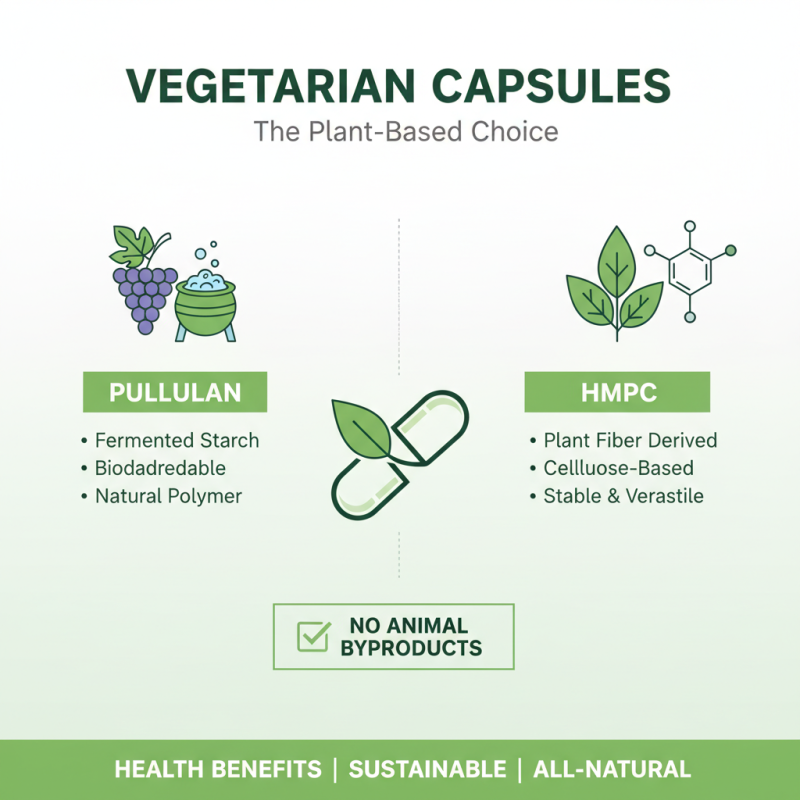
Vegetarian capsules are gaining popularity. Two notable materials are Pullulan and HPMC. They provide health benefits without animal byproducts. Pullulan comes from fermentation of starch. It's often praised for its biodegradability. HPMC, or hydroxypropyl methylcellulose, is derived from plant fibers. Both options cater to those seeking plant-based solutions.
When choosing between these two, consider dietary preferences. Pullulan is favored for its film-forming properties. It creates a gelatin-like capsule that dissolves easily. HPMC is versatile and commonly used in various products. Many users report a smoother digestion experience with HPMC.
Tips: Always check the ingredient list. Not all capsules are vegetarian. Look for certifications. If you have allergies, consult with a healthcare provider. Remember to choose capsules that align with your values and health needs.
Enteric coatings play a crucial role in targeted drug delivery systems. These specialized coatings allow medications to survive the harsh environment of the stomach. Once the capsule reaches the small intestine, the coating dissolves, releasing the drug where it is most effective. This precision can increase the drug's efficacy and reduce side effects.
Tips: Always check how enteric coatings work. Understanding this can help in choosing the right medication.
The materials used in enteric coatings can vary. They often include polymers that respond to pH changes. These materials ensure that the drug is released at the right time. However, not every drug benefits from an enteric coating. It’s important to consider the specific drug and its release profile.
Tips: Consult healthcare professionals if unsure. They can provide insight into whether enteric coatings are suitable for your medication.
While enteric coatings offer many advantages, they also have limitations. Some coatings may not dissolve as expected. This unpredictability can impact drug absorption. Thoughtful consideration is necessary when evaluating the technology behind enteric coatings. Understanding both their benefits and potential drawbacks is essential for informed medication choices.
Assessing the safety of medicine capsule materials is crucial for public health. Regulatory standards guide manufacturers to ensure that products are safe for consumption. Agencies evaluate the materials used, checking for contaminants or harmful substances. Many capsules are made from gelatin, plant-based options, or modified starch. Each has unique benefits and potential drawbacks.
Tips for consumers: always research ingredients before taking supplements. Not all capsules are the same. Some may contain allergens or other substances to watch out for. Additionally, it's vital to consider the sourcing of these materials. Is the gelatin sourced from healthy animals? Or is the plant-based capsule derived from a sustainable process?
Despite strict regulations, gaps remain. Some manufacturers may not fully disclose sourcing information. The industry must continuously improve transparency. Manufacturers should prioritize quality. Consumers can advocate for safer products by asking questions. This way, informed decisions can lead to better health outcomes.