How to Use Synthetic Mica Powder in Cosmetics and Art?
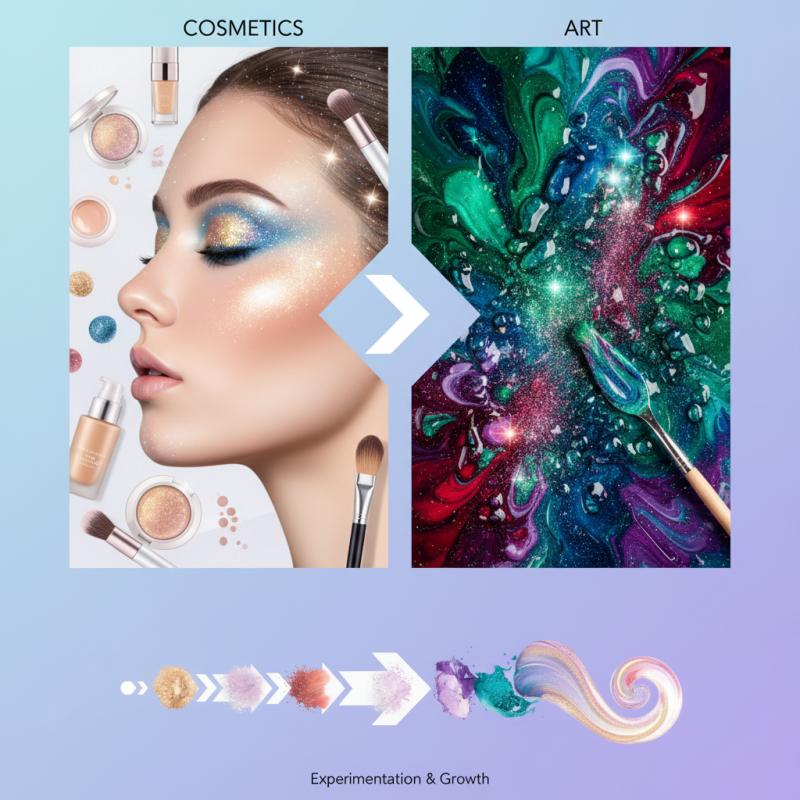
synthetic mica powder is becoming a popular ingredient in both cosmetics and art. This versatile material offers a shimmering finish, enhancing the visual appeal of products. In cosmetics, it adds a soft glow to foundations and eyeshadows. Its reflective properties allow for stunning color effects, attracting many users.
In the realm of art, synthetic mica powder can transform paint and mixed media projects. Artists appreciate its ability to create depth and texture. When mixed with resin, it delivers vibrant colors and a sparkling appearance. However, it's important to note that not all brands offer the same quality. Some may lack the desired luster or blend poorly.
Experimentation is key when using synthetic mica powder. Achieving the perfect mixture can take time and practice. Mistakes can happen; perhaps the colors don’t merge as intended. Reflecting on these outcomes can lead to personal growth in artistic skills. Embracing trial and error often yields the best results.
Understanding Synthetic Mica Powder: Composition and Properties
Synthetic mica powder is gaining traction in both cosmetics and art. Its composition typically includes synthetic aluminosilicate, easily sourced from natural minerals. Unlike natural mica, synthetic versions boast better purity and fewer impurities, making them a preferred option for many formulations. According to a 2022 industry report, the global synthetic mica market is projected to reach USD 466 million by 2030, reflecting its growing importance in the beauty industry.
In cosmetics, synthetic mica powder enhances texture and shimmer. It offers a smooth application and a luxurious feel on the skin. This powder is often used in foundations, eyeshadows, and highlighters. The average particle size ranges from 5 to 40 microns, allowing for versatile uses. However, not all synthetic mica powders are created equal. Some may result in uneven application or undesirable clumping. Choosing the right texture and particle size is crucial for optimal results.
For artists, synthetic mica powder provides vibrant pigments for paints and crafts. Its reflective quality can emulate natural mineral look without the environmental concerns. Yet, the handling of synthetic mica requires caution. Even though it is less toxic, some creative applications might lead to allergic reactions in sensitive individuals. Artists must test materials before widespread use to ensure compatibility. Balancing creativity with potential risks is essential in the artistic process.
Usage of Synthetic Mica Powder in Cosmetics and Art
Benefits of Using Synthetic Mica in Cosmetics and Art Applications
Synthetic mica powder has gained traction in both cosmetics and art. This versatile ingredient offers numerous advantages over natural mica. For example, it provides a consistent color and texture. Synthetic mica eliminates impurities often found in natural variants. It poses fewer risks of skin irritation. Reports indicate that synthetic mica can reduce the chance of allergic reactions by up to 30%.
The shimmer and luster of synthetic mica enhance cosmetic products, such as eyeshadows and highlighters. Its reflective properties can create an appealing glow. Research by industry experts shows that consumers increasingly prefer products with synthetic mica. This is due to its smooth application and long-lasting finish. In art, this powder adds depth to paintings and crafts. Artists appreciate its ability to achieve vibrant colors without compromising quality.
Despite its benefits, synthetic mica is not without concerns. Some argue it lacks the unique qualities of natural mica. Critics point out that replicating the exact texture may be challenging. As the demand for sustainability grows, the environmental impact of synthetic mica is under scrutiny. Thoughtful consideration of sourcing and production practices is essential for a balanced approach in this industry.
How to Use Synthetic Mica Powder in Cosmetics and Art? - Benefits of Using Synthetic Mica in Cosmetics and Art Applications
| Application | Benefit | Usage Tips |
| Cosmetic Products | Provides a shimmering effect and enhances color depth | Mix with other pigments for desired effect |
| Artwork | Adds luster and visual interest to paintings and crafts | Use as a top layer to create highlight effects |
| Soap Making | Increases aesthetic appeal and is skin-friendly | Add at the trace phase for optimal dispersion |
| Nail Art | Enhances the visual charm with reflective properties | Blend with nail polish or acrylic for unique designs |
| Body Creams | Improves product texture and makes it silky | Incorporate in small amounts for stability |
Techniques for Incorporating Synthetic Mica into Cosmetic Formulations
Incorporating synthetic mica powder into cosmetic formulations can elevate products. This shimmering ingredient provides a unique sheen. When mixing, consider the particle size. Finer powders blend seamlessly into creams. Coarser particles add texture and visual interest.
Start by determining the desired effect. Do you want a subtle glow or intense shimmer? The ratio of synthetic mica to the base product matters. Too much can overwhelm. A good rule of thumb is to begin with a small amount and adjust as needed. When blending, ensure even distribution to avoid clumps. Remember, formulation requires experimentation.
Think about the application method. Synthetic mica can behave differently in liquids versus powders. In liquids, it can sink or float, altering the visual aesthetic. In powders, it might clump together, losing dispersibility. Observe how it interacts with other ingredients. It’s essential to test various formulations. Mistakes are part of the journey. Embrace them, and learn from the process.
Creative Uses of Synthetic Mica Powder in Art Projects
Synthetic mica powder has gained popularity in art projects. Artists appreciate its versatility and shimmering effects. This powder is often used in paintings, resin art, and other mixed media works. The global mica market is projected to reach $1.15 billion by 2025. This growth highlights the rising demand for synthetic alternatives.
In painting, synthetic mica provides vibrant colors and a unique texture. Artists can mix it with acrylics or watercolors for an iridescent finish. The powder can also enhance the depth of 3D art pieces. Resin artists frequently incorporate synthetic mica to create stunning effects. The light-reflective properties add a magical quality to their creations.
However, using synthetic mica requires careful consideration. Some artists struggle with the mixing process. The right balance is crucial to achieve desired results. Too much mica can overpower the base medium. Experimentation is often needed to find the perfect ratio. Observing the effects of lighting can also help refine techniques.
Safety Considerations and Environmental Impact of Synthetic Mica Use
Using synthetic mica powder in cosmetics and art raises important safety and environmental considerations. Synthetic mica is often seen as a safe alternative to natural mica. However, there are potential risks associated with its use. Some synthetic mica powders may contain additives that could cause skin irritation. Therefore, testing products on a small area of skin is crucial. Mindful sourcing is important in reducing these risks.
When it comes to environmental impact, synthetic mica production can have its drawbacks. The manufacturing process involves energy-intensive methods that contribute to carbon emissions. This is a concern for those aiming for sustainable practices. Not all synthetic micas are produced under eco-friendly conditions. It's essential for consumers and manufacturers to research and ensure responsible sourcing.
Moreover, the growing demand for synthetic mica might lead to overproduction. This can strain natural resources. Balancing aesthetic needs with environmental responsibility is vital. Each choice in the beauty and art industries matters. Mindful consideration ensures that creativity does not come at the expense of our planet.